Chapters 13-15 Violence, Environmental Wellness and Health Care Options

July 1st,2019

Chapter 13 Section 1
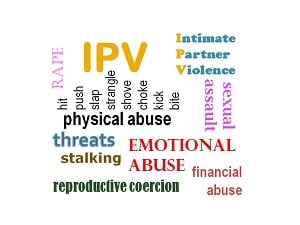
Image result for partner violence

This section discussed a very heavy topic: violence. The aspect that stood out to me most was sexual violence. This is never a topic that is easy to discuss however, the statistics mentioned in this section especially highlighted the weight of the issue. Statistics know that at LEASt 23 percent of females in college will be raped or sexually assaulted. Although this measured statistic is concerning enough, the real concern should be focused on how many instances of sexual assault go unreported. Only about five percent of sexual assaults are reported which means that an estimated 95 percent occur with no justification. As a female in college, this is something that is extremely personal. Coming from a very small and low-crime hometown, I grew up looking at the world and the people within it much more beautified than it always is. When I first got to Bridgewater in the fall and the on-campus crime emails began to be sent out reporting incidents every few days I was in disbelief. It may sound like I was naive, but I truly had not understanding of how common such horrible situations on campus are (especially within residence halls). Having learned what I did throughout the school year and from this section, I feel much more aware and alert to potential risks such as sexual violence.

Section 3

This section continued to discuss the issue of sexual violence but focused in specifically on sexual violence within relationships. The issue of intimate partner violence (IPV) which is described as physical, sexual or psychological harm done by a current or former partner is something to take very seriously. I found the way that this topic was presented within the text to be done very well. The emphasis on why people who experience IPV stay in their relationships enlightened my understanding of the issue and how to go about assessing such a difficult situation. It is definitely easy to look at a couple in a struggling relationship and question why they don’t just stop being together if they are so bad for each other, but it certainly isn’t always that simple. The text mentioned how many people experiencing IPV feel isolated, scared and as if they have no alternatives but to stay in their relationship. Especially mothers and women who may be dependent on their partner’s income or housing. Another perspective that was explained was how many people within a violent relationship are unable to see how unhealthy their situation is the way that people on the outside of their relationship are able to. As someone who has had numerous conversations with friends and loved ones regarding their own personal experiences with IPV, this section explained it in a very eye-opening and considerate way.

Image result for hazing

Section 8

As a member of greek life here at Bridgewater, I was very interested to read about this section’s topic: hazing. Hazing which is defined as “any activity expected of someone joining or participating in a group that humiliates, degrades, abuses or endangers them regardless of a person’s willingness to participate” is something that harbors an absolutely zero tolerance policy here at Bridgewater. When I was going through recruitment and the initiation process, one of my biggest stressors came from the unknowingness of how I would be hazed. Once I learned that there truly is no hazing allowed at Bridgewater, I was extremely relieved. I find it so disturbing how intense some schools’ greek life crowds can become. A national study determined that 55 percent of college students involved in organized clubs and activities reported to having taken part in a hazing process at some point. The underlying issue with this topic (similar to sexual violence) is that the majority of cases go unreported. Because so many people who experience hazing are hesitant to report it, in many cases the situations remain unresolved. An estimated 9 out of every 10 college students have been hazed without even knowing. This statistic is concerning because it exemplifies how normalized activities of hazing have become.

Chapter 14

Image result for secondhand smoke

Section 3

This section is relevant to all readers because it is something that is often out of our control. Air pollution is not something that you can individually fix for yourself, it is a collective issue. The greatest source of pollution indoors is environmental tobacco smoke(ETS) which is all referred to as secondhand smoke. Secondhand smoke contains both carbon monoxide and cancer-causing particulates which if you couldn’t tell by their intense titles are not healthy to breathe-in at all. Living in or being frequently exposed to an indoor environment where smoking occurs is up to five times more hazardous than living in an environment where there is no air pollution. Because of this issue, many buildings have implemented strict no-smoking policies. Even better, many cities and towns as a whole will have designated no-smoking areas which include the greater majority of space. Because air pollution is not something that can be contained to each individual’s personal contribution, most public spaces have banned smoking as a whole. I think this is a very positive decision made by towns and cities because the majority of people who are non-smokers (including children) do not want to be expose to such harsh pollutions.

Image result for cell phone radiation

Section 7

The seventh section of chapter 14 shared information on radiation. With cell phones, tables and computers (amount many other electronic devices) being used so regularly today, radiation is always around us. Even writing this blog post I am being exposed to it from my laptop! The type of radiation which comes from such handheld electronic devices is known as nonionizing radiation. Nonionizing radiation is found at the lower end of the magnetic spectrum. This is an issue that is fairly new to scientists and consumers because cell phones haven’t been around for too long considering that the concerns based around them and what they emit are long-term. When cell phones and other handheld devices haven’t even been around for too long themselves, it is nearly impossible to have an understanding of exactly how they will effect humans in the future. There have been many discussions about concerns regarding electromagnetic fields (EMF’s) and how they are linked to cancer, although no exact proof has been discovered yet. The limited research that has been done was prior to the present where cell phones are used extensively for much more than just holding a conversation. Cell phones specifically emit radio frequency (RF) which can penetrate the majority of a person’s upper body such as their neck, upper torso and skull. Young children who are still developing are at an increased risk of exposure to radiation and it is not recommended that they use cell phones or tablets for an extended amount of time because of this.
Section 8

This section highlighted the many different ways in which campuses work to improve their sustainability. Some ways mentioned that I noticed at Bridgewater this past year were the reusable containers/cutlery and the rentable bikes. By offering reusable to-go containers, the amount of waste each day was reduced significantly because less people where using single-use containers to bring food from the dining halls back to their dorm buildings. Bridgewater even incentivized the to-go containers by offering a complete refund of the cost of the container if it was returned to the dining halls on time. I feel as though this was a very positive switch from a previously very wasteful habit and I am very glad to see it have worked out so well. Another huge way to reduce waste on a college campus is to bike or walk around instead of taking a car or shuttle. Bridgewater offers on-campus bike rental with both single-use and year-long options. The bikes are meant to encourage students to avoid driving anywhere they’re going on campus and instead encourage self-transportation.  

Chapter 15

Image result for otc drugs

Section 4

Over-the-counter drugs (non-prescription substances used for self-medication) can be very dangerous if not taken correctly. Although drugs purchased over-the-counter are verified by the FDA (food and drug administration) and safe to use in a self-diagnosis situations, it is important to read the label properly before ingesting to make sure what you are taking will help you and not hurt you. Although over-the-counter drugs aren’t exactly addictive, it is easy to become dependent on them to fix every little ailment when they are so readily accessible. It is important to be a smart consumer when using over-the-counter drugs, reading the FDA approved label clearly before administering anything to yourself or a friend. Although concern about dependence is often focused on prescription drugs, over-the-counter drugs can also cause people to become dependent. Someone who uses eye drops every time their eyes are a bit itchy or who takes Advil at the feeling of the slightest discomfort can actually build up tolerances to these over-the-counter remedies if they are done too often.  

Image result for acupuncture

Section 8

I found this s section to be especially fascinating because my Mom has started going to acupuncture very recently and I have been very curious to know exactly what she experiences and how it helps her. From what I have learned, I now know that acupuncture (a type of energy therapy where small needles are placed at points o the body where they can provide relief from pressure) increases the flow of Qi (energy) within the meridians (energy pathways) within a person’s body.Interestingly enough though, in 2017 a placebo effect test was  with acupuncture. From this test, it was concluded that subjects who received fake acupuncture reported to feeling much better and pain-free despite not actually having acupuncture done to them at all. With at least half of the subjects having those results, the belief of whether or not acupuncture is a legitimately helpful practice remains unsure. Luckily, my mother who suffers from chronic back pain has been experiencing positive results from acupuncture however now I am left to wonder if she really is getting it, or if she too is experiencing a placebo effect. 

Image result for mindfulness meditation

Section 9

This section was a huge deja vu experience for me. I felt as though this section took me back to my first semester wellness seminar with Professor Burak. This is because my semester-long project was actually on a mindfulness technique called gratitude journaling. Although writing in a journal doesn’t exactly equate to mediating, the basic principles of both activities are essentially the same. Both practice mindfulness which is defined as the quality or state of being conscious or aware of something. With mindfulness meditation, a person fixates their thoughts on the positive aspects within their lives and allows the goodness of those thoughts to manifest within their head, ignoring any negative aspects. Although this practice is fairly new in recent years, it has been known around many places such as work offices and college campuses to reduce stress. Mindfulness meditation is known to increase the connectivity of nerve cells in white matter of the brain which (in simpler terms) means reducing the amount of tissue degeneration that takes place (yay for staying younger longer)!. Mindfulness meditation has also bee discovered to improve classroom performance and focus. This is especially helpful for college aged students who often experience stress related overwhelming amounts of work that is due around the same time. With may studies concluding that mindfulness can improve: anxiety, depression, self confidence, cognition and reducing distractions, it is easy to see how beneficial such a simple practice can be. I know from my personal experience with a mindfulness technique that semester that I am certainly a better person today because of the aspects of my gratitude journaling in the fall. Something so simple as stopping to smell the roses can significantly impact your day in a positive way when being mindful of the many positive aspects around you that you have neglected to acknowledge. This relates to my health aspect because it is equally important to nourish not only your body with good foods, but your mind as well. I see mindfulness as the apple-a-day for your mind. Someone who is mindful and practices techniques such as meditation each day is more likely to keep the doctor away because of the positive results they are experiencing from it.  

Image result for eating good

My Health Aspect:

This was my final week to really hunker down and focus on my health aspect! I am proud to say that within the few shorts weeks of this course I am confident and proud of the improvements that I have made with my eating habits and what it is exactly that I have chosen to eat. With my health aspect being focused on trying to eat more regularly and avoiding missing  a meal, I tried to do everything possible to make this happen for myself. This week I had (yet again) a rather funky work schedule. Because of nights I will close at my work and then have to be the one opening up the next morning, it is easy to become distracted and overwhelmed and not give myself a proper (healthy) amount of time to eat. NOT THIS WEEEK! Knowing the difficulties I had with this issue in the past few weeks, I made to sure to set myself up for total success. I’m talking about having lunchbox  packed for each shift with nutritional snacks that not only allowed me to eat at an appropriate time, but also allowed me to eat clean. Although it did take a bit more work and planning to bring my food with me to work, how it made me feel was definitely well worth continuing to do. I feel as though I have seen bringing snacks to work as such a tricky thing to set up before each shift however in reality I believe it took me less than five whole minutes to get everything together before I left for work.   
Staying Fit, Staying Healthy and Avoiding Infection Chapters 10-12

June 22nd, 2019

Chapter 10

Getting back in the swing of things:

When someone has been inactive for a while, it is important to ease back into the physical activity they may have left off from doing. Whether it is an injury that has kept them from exercising regularly or just a lack of motivation, it is crucial to take things slow on the return to the gym. Section three of this chapter discussed the safest ways to return to activity. The beginning of one’s fitness journey (or return to a previous one) is referred to as the initial conditioning stage. During this stage, lighter exercise is recommended to ensure that soreness and injury do not occur. Although you may have heard the expression “no pain, no gain” before, you certainly do NOT want to listen to that advice as you are in this stage (or really any stage of exercise at all). Although starting out slow may seem boring, there are many small changes to your daily routine that can benefit you positively without requiring any major adjustments.

How to stay active without overdoing it:

  • Try taking the stairs instead of riding an elevator or escalator. This might not be something you’ve considered as exercise before however doing this all day everyday can add significant activity to your daily routine!
  • Park further away from your destination or walk all the way to where you’re trying to go.
  • Try simple bodyweight exercises. This will allow you to get comfortable with them and build good form before adding more weight.

If lack of motivation has kept you from exercising but you are working to overcome that obstacle, seek activities that interest YOU! If you are someone who enjoys biking, try taking a spin class. If you like swimming, try a water aerobics class. There are such a wide range of fitness activities to try so don’t get discouraged if you try something and don’t enjoy it. When signing up for fitness classes remember to stay mindful of what fitness level you’re at. If you’re still in the initial conditioning stage, don’t sign up for an advanced class as that would be setting yourself up for frustration!

New beginnings can be very intimidating and the gym is definitely a place where a lot of people feel especially intimidated. Fitness is something that is meant to help you, not hurt you so stay slow and trust the process. Fitness isn’t something that can be rushed but if you remain patient with it, you will eventually see and feel the results you want.

I can relate this to my health aspect because throughout this course I have been trying to eat cleaner and more regularly. Although this is not directly related to fitness, the idea of starting out slow and working my way towards my end goal is relevant. Just how a person starting out on their fitness journey cannot be expected to successfully complete a marathon, I had to remind myself that the journey of improving my health aspect was a gradual process.

Image result for rest ice compression

What to do if you overdo it at the gym:

Say you don’t follow the advice that you just read about, then what? Well fortunately for you in section thirteen of this chapter there is a simple acronym to help you properly address your fitness-related injury. RICE.

R– Rest! Now that you have addressed that you have an injury, do not make the damage any worse by continuing to abuse the injured area.

I- Ice. Put ice over the injured area to relieve any pain or discomfort you may be feeling and also to reduce any bleeding that may be occurring internally or externally.

C– Compression. Use an elastic bandage to ease any bleeding that may be occuring and gently keep the area of injury secured. Be careful not to make the bandage too tight, as you don’t want to restrict the normal blood flow!

E- Elevation. Be sure to keep the injured area raised up above the heart so that any excessive bleeding or swelling is reduced.

This first-aid information is of course in regard to minor injuries that can heal themselves with time and rest. Any and all major injuries that do not seem to heal after 24 hours should definitely be looked at by a medical professional.

Related image

Safely exercising in extreme weather:

Section fourteen of this chapter shared a little information on how to properly exercise in extreme temperatures and this was something that I found super interesting. I can vividly remember having cheer practice at my high school in a large, humid gym with tons of windows. Although it wasn’t outside in the direct sunlight, I certainly remember how much the sun gleaming in through the large windows effected my practices. There were many times where I felt so overworked and exhausted that I was sure I was experiencing heatstroke (luckily I wasn’t actually but at times it certainly felt like it!). Heatstroke occurs when the body’s temperature is above what it is able to cool off. The temperature of your body can increase from it’s typical 98.6 degrees Fahrenheit to a frightening 105 or even 110 degrees.

Symptoms include: red, hot skin; rapid heart rate and a high body temperature.

Heatstroke is not something to mess around with because it can cause serious disability or death. To avoid this, try to exercise in shaded areas, give yourself time to rest during workouts and always have plenty of cold fluids available during exercise. These may sound like very simple ingredients to success but without them, serious injury can occur.

This is easy to relate to my health aspect because just as overworking the body in extreme heat leads to negative effects, undernourishing my body by not eating enough or not eating the proper foods to fuel me also lead to negative effects on my health.

Chapter 11

Image result for relax

Seriously, don’t sweat the small stuff:

This chapter discussed something that far too many people have unfortunately been effected by: cancer.

One of the interesting tidbits of information within this chapter was the information that stress and psychosocial risks can have an effect on someones likeliness to develop cancer. When I first read this is truly had no idea how something like stress could possibly increase someone’s risk of cancer.

Section fourteen explained that on average, people who are overstressed or who experience persistent emotional problems tend to show higher rates of cancer than those who do not. This is because people who experience difficulties sleeping, who eat unhealthily or who are experiencing emotional or physical trauma have weakened immune systems. This makes them much more susceptible to cancer! This was something that I had never heard before so as someone who is working on adjusting what I eat and how often I eat, I am taking this advice into serious consideration when planning out my weeks from now on. I am someone who is constantly getting less than four hours of sleep and who often skips meals without noticing so to reading this information was a huge wake-up call that I need to make some real adjustments.

Image result for sun protection

Get out the umbrellas, hats and sunscreen:

Section nineteen was a bit more personal for me because it shared a lot of information on skin cancer. This is unfortunately something that many of my aunts and uncles have had in recent years, so to learn about it was really interesting and informational on. personal level. Skin cancer occurs when ultraviolet light (UV) damages the immune cells of the skin and essentially primes skin for cancer.

When I learned about skin cancer in high school, it was made out to seem very minimal or not something to be SERIOUSLY concerned about because most types of skin cancer are curable. This section informed me that although yes, some types of Melanoma have a survival rate of 98%, there are types whose survival rates are a small 17%.

Because this is something that seems to run in my family and the few times I have gotten a bad sunburn I have peeled very easily (a symptom mentioned within this section) I am definitely going to be as cautious as I can be when enjoying the rest of my beach days this summer!

Image result for diabetes

What I didn’t know about Diabetes:

Section 23 of this chapter discussed something I have never really known much about: diabetes. I have always known the main causes of diabetes and the health risks that diabetics have however I have never really known the difference between the types of diabetes.

What I learned is that Type 1 diabetes accounts for only about 5% of all cases of diabetes. Type 1 is also known as juvenile diabetes because it occurs most often in children and adolescents. This kind of diabetes requires daily injections of insulin because of an immune system that attacks and diminishes insulin-making cells within the Pancreas.

Additionally, I learned that Type 2 diabetes accounts for about 95% of all cases of diabetes. This kind of diabetes is diagnosed when the pancreas doesn’t produce enough insulin or when the body becomes resistant to it. This is known as insulin resistance.

With diabetes increasing from 108 million people in 1980 to a whopping 422 million people in 2014 it certainly isn’t something to ignore as someone who is interested in becoming a health educator.

Image result for tea

Chapter 12

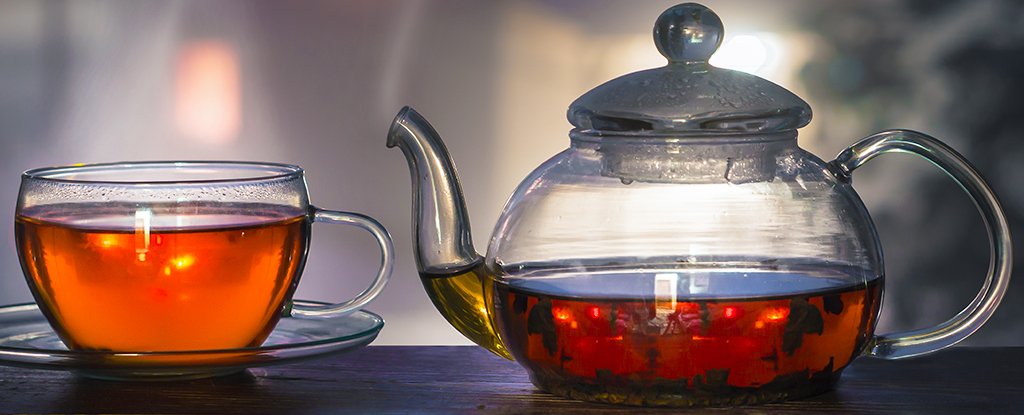
While reading section three of this chapter, I remembered the sick days I spent at home where I painfully sipped on warm honey water to try and relieve my aching throat. What I’m referring to are the times when I’ve had strep throat. This sickness is caused by a microorganism known as Streptococcus which causes different kinds of bacterial infections. I’ve personally experienced streptococcal pharyngitis (strep throat).

What I didn’t know about this microorganism is that it causes various types of sicknesses aside from strep throat. I’ve heard of scarlet fever and toxic shock syndrome before, but I had no idea they began with the same microorganism that strep throat develops from!

The two main types of streptococci:

  • Group A streptococci: Causes strep throat, scarlet fever, toxic shock syndrome, necrotizing fasciitis (flesh-eating strep).
  • Group B streptococci: Causes sickness in newborn babies, pregnant women, older adults and adults with preexisting conditions such as diabetes.
Image result for flu vaccine

Avoiding sick days:

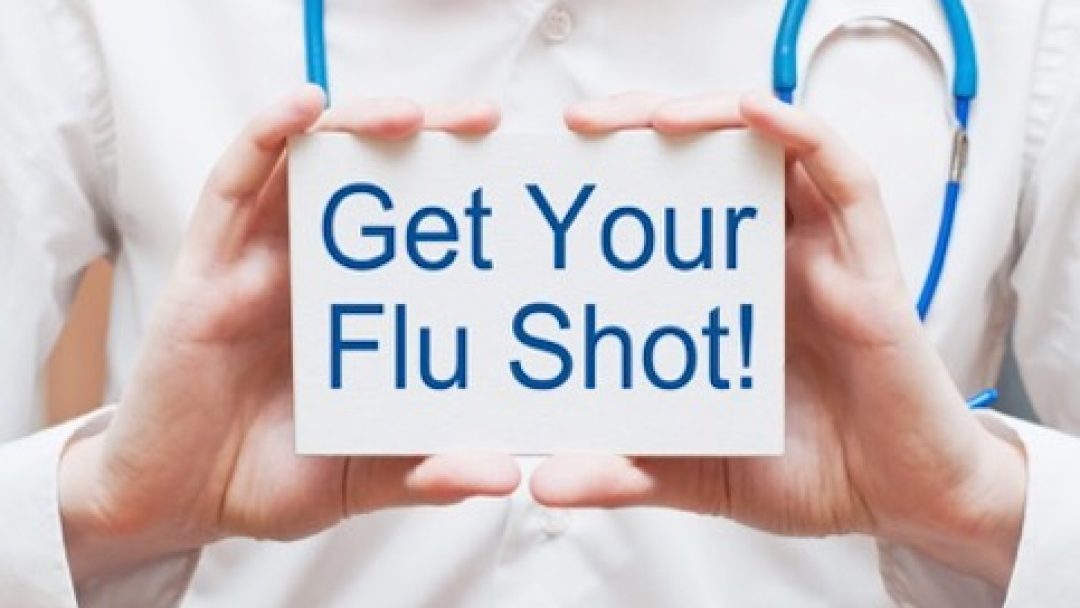
Lucky for you, flu vaccinations are free and available at CVS, Walgreens and many other local clinics. Why am I mentioning this you ask?

I am mentioning the availability of flu vaccines because the flu is a sickness that can result in serious health complications and even death. With an estimated 3,000 to 49,000 deaths related to the flu every year, it is seriously something to protect yourself from. Although college-aged people are not at the highest risk ( children under age 5 and adults over age 65 are), it is still important to get vaccinated every year.

Each year vaccinations are adjusted to meet the news strains of influenza. Because of this, getting re-vaccinated is the most effective way to avoid catching the sickness. I was surprised to hear that information because (and I guess I had never really thought this deeply about the flu before) I didn’t realize that the vaccination is adjusted each year!

Too much of a good thing isn’t always a good thing:

This section genuinely baffled me.

The understanding that “superbugs” or highly resistant organisms have evolved to be resistant to certain antibiotics is amazing to me. I was so amazed to learn what an over-usage of antibiotics within the food production industry, improper disposal of antibiotics when people finish prescriptions and overuse of sanitizers and antibacterial soaps have now led up to.

A whopping 70% of produced antibiotics are ingested by fish and animals within food production. This is because they are believed to help animals grow more and resist diseases as they are farmed. Humans not only contaminate animals, but waterways as well! By flushing excess prescriptions down the toilet and improperly throwing them away those medications are polluted into waterways and soil. An estimated 150 MILLION antibiotic prescriptions are released into soil and waterways every year, that is far too many to be good. The cleaning industry has also contributed to the increase of antibiotic resistance by how many cleaning supplies are “antibacterial” which has led the germs that are not killed by them to grow even stronger.

My Health Aspect

This week was just about the most successful for me as far as my health aspect has been so far!

Although I still haven’t gotten the hang of packing food ahead of time (my wallet is kind of hurting since there are so many healthy food options for take-out close to my work), I definitely ate a solid 3 meals everyday throughout this past week! Luckily, I had a pretty normal work schedule which made it easy to plan out times to eat and stay hydrated so that was a huge help towards my goal of not forgetting or skipping a meal while I was so busy. I can definitely say that I felt the difference each morning when I woke up or each day when I was at work because overall I felt much more energized and awake! I definitely didn’t realize how tired or unenthusiastic I felt prior to eating on such a normalized schedule and routine but I am suer excited about how this week went and am looking forward to these next few weeks where I am hopefully going to continue to improve even more!

Drinking in College, Eating Right and Body Image (Chapters 7-9)

By Lindsey Lambert

June 18th, 2019

These three chapters were FILLED with a lot of fascinating, concerning and mostly helpful information. I definitely found myself intrigued by what I was reading more so within these three chapters than any chapters of past weeks. Alcohol and Tobacco use, the importance of healthy eating and weight management are all things that I have made many personal choices about within my lifetime (especially at this time in my life).

Chapter 7

To almost no surprise, the first section of this chapter was very interesting and relatable for me. With the concentration of this section being alcohol and college students (thats us everyone!) , I feel it is almost mandatory for me to mention what I learned from it within this blog post. One of the first parts that stood out to me was the fact that 40% of college students engage in what is known as binge drinking (for men this is consuming 5 or more drinks within a 2 hour period, for women it is 4). This report surprised me because I honestly thought the percentage would be much higher. Although I truthfully do not have much experience with drinking or being in a college atmosphere where drinking is taking place, the fact that less than half of college students are partaking in binge drinking is a huge surprise. What seems to be pretty contradictory also is that 92% of students reported to pregaming (heavy drinking before going out) within the school year. I guess my new understanding with this information is that the majority of students drink prior to attending events or parties and once they are out they pace themselves more? This information was interesting to me because I certainly thought it would be the other way around statistically-speaking.

Another section within this chapter that stood out to me was section five which discussed drinking and driving. I learned that traffic accidents are the number one cause of death for people between the ages of 1 and 25. An even more horrifying fact I also learned within this chapter is that people drive drunk over 121 MILLION times each year (and that doesn’t even include the amount of occurrences that go unreported). I’m not sure about anyone else, but I can easily name five people I personally know who have driven drunk at one time or another. Now, I come from a family without any heavy drinkers where occasionally on a family holiday an aunt or two will be noticeably buzzed. From reading this section I realized how terrifyingly common it is for people to drive under the influence. If I can easily name five people, that just proves that it is something that is far too common of an occurrence.

When issues such as the ones mentioned in the previous two sections (binge drinking and drunk driving) occur, one would hope that the person taking part in those actions would make some kind of effort to change for the better. Section 8 focused on treatment and recovery. An interesting perspective the textbook showed was the fact that there aren’t many resources or advocates for college students to receive help dealing with alcoholism. The emphasis of most alcohol addiction centers and programs are geared towards older adults. I really liked how the textbook said “the high prevalence of alcohol use and other drug use on college campuses makes attending college a threat to sobriety”(p.163). This is something that I have honestly never really taken into consideration. From reading this section I feel as though I have gained an alternative perspective on what treatment facilities and programs are built for, because they can include much younger patients. As someone who has watched a loved one struggle with alcoholism and relapse multiple times, I can attest that treatment is certainly not something that everyone finds permanent success from. I found this section to be structured very well in the sense that it gave an excellent perspective of alcoholism and those who suffer with it.

Chapter 8

Image result for water

Section two of this chapter was about something very simple, yet very important. Water is one one of the most fundamental aspects of healthy living. Humans can survive weeks without eating but can hardly go more than one week without driving water in order to stay alive! I felt compelled to write about this information because quite frankly, I find it astonishing. Water is such an essential nutrient but it does not only require drinking a certain number of glasses of it to reach your daily goal. Most people who eat within a healthy diet will achieve their daily goal of water intake. I was very impressed to learn that fruits and vegetables are made up of 80 to 95 percent water, meats contain up to 50 percent and even bread is about 35 percent water. There are many varying factors that can cause a person to require a larger amount of water to stay hydrated such as extreme heat, exercise or the consumption of alcohol. This is a topic that is especially important to keep in mind as an athlete because both heat and exercise are often varying during sports games and workouts. It is essential to your health and bodily functions to stay on top of hydration regardless of where you are or what you are doing.

Image result for size options food

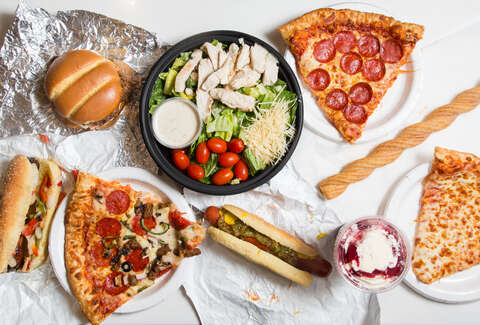
Section ten of this chapter discussed something that I was super worried about before the start of my freshman year: mindful eating in college. With Bridgewater not having the healthiest options, I was extremely worried that I would struggle to fuel my body properly within the dining halls. While eating from a dining hall, I kept a few of the tips that this section mentioned in mind from previous knowledge I had about eating mindfully. One way I was cautious when eating from the dining hall was to limit the amount of salad dressing I consumed. Although the lettuce and spinach weren’t exactly the most flavorful and it would have certainly tasted a lot better drenched in ranch dressing, I tried my best to eat the recommended serving size and not overdo it. Additionally, I avoided larger sized items. If I had the choice between ordering a small, medium or large I would opt for the small because I definitely never needed anything more. These simple adjustments while eating in a dining hall (where there is such an unlimited amount of food and large servings) definitely benefitted me positively throughout freshman year and in my long-term health. This didn’t mean that I never indulged in ordering Dominoes or a late-night run to Cumberland farms for a snack, but overall I did my best to be mindful the majority of the time when I was eating at school.

Section fourteen of this chapter covered various food allergies and intolerances. One of the allergies covered was Celiac disease. Celiac disease is defined as an immune disorder where nutrients not absorbed properly from the small intestine within certain people. The majority of people living with Celiac go undiagnosed for their entire lives. I thought this was really interesting because my cousin has severe Celiac (to the point where any cross-contamination can end up with her in the hospital extremely sick). When he was young it took the doctors a while to figure out what he was getting sick from and once they determined it as Celiac, removing Gluten from his diet made a world of difference. The interesting part about my cousin’s diagnosis is that when he was diagnosed with it his entire family was tested to see if my aunt or uncle also had it. Before being tested, they were both confident that neither of them could possibly have Celiac because they had both lived their entire lives undiagnosed and relatively healthy. It turned out that my aunt does in fact also have Celiac disease and she went over 30 years without ever knowing! This is why I was not surprised when the textbook mentioned that the majority of people with Celiac never get diagnosed. Not all cases are severe, so many people live without knowing any different.

Image result for gluten free

Chapter 9 The first section of this chapter shared a lot of information on obesity within the United States. This is a huge problem within the United States today. What I feel is one of the most difficult parts of combatting obesity within the United States is that children often have very little control over what they eat, nor do they know what is good or bad for them. What I mean by this is that if a child has parents who do not pay attention to the nutrients (or often lack thereof) that they are giving their children, the health of their children is at risk. High-calorie, high-sugar and high-fat foods are known to be the most affordable and easily accessible (take fast food restaurants for example). If children continue to be raised eating such unhealthy foods and not learning healthy eating habits then they are put at a significantly increased risk of experiencing health issues such as obesity. An alarming 55 percent of adolescents in the United States today who are obese will remain obese into adolescence. Even more alarming, 80 percent of adolescents who are obese will remain obese into adulthood. These percentages highlight how once someone is obese it becomes significantly more difficult to reach a healthy weight. This comes from poorly developed habits which when continued throughout life will only lead to worsening health.

To combat obesity that may have stemmed from poor eating habits, try to improve eating habits! Section seven covered how once someone is overweight, they cannot undo what they have eaten. Instead, they must be more aware of what they are putting into their body and how they are fueling themselves. Although I have never been obese, I have certainly gone through extended periods of time where I haven’t payed much attention to how I am fueling my body. The best way to fix this is to eat clean foods at regular intervals. Setting a routine for yourself is one of the best ways to stay on track and form a healthier habit. When a routine is set up, it will also be easier to identify triggers. Triggers can come up with certain foods or times of boredom when you aren’t actually hungry but you eat anyway. By setting up a routine for yourself, you can help avoid giving in to triggers.

I resonated a lot with section eleven of this chapter. It actually connects perfectly to my health aspect of trying to eat more regularly. This section talked about how stress and emotional issues can lead to skipping meals both accidentally and on purpose. My health aspect relates by how I personally have noticed that I tend to accidentally skip meals when I am stressed or overwhelmed. This is never something I do on purpose (if I were intentionally skipping meals then there would be a reason for concern) however it kind of just happens when I have a busy day or evening with homework and other commitments. I am also extremely active so when I do eat, I often burn a lot of what I eat off from working out. Because of this, I have noticed that I haven’t gained any weight at all recently and have actually lost weight since being home from school. Because my health aspect is to eat more, I have been trying to develop a routine for myself to help keep me on track so that I do not continue to lose weight. Because my work schedule changes every week, it has been kind of tricky to do so but overall I have been eating breakfast a lot more (which is what I am usually the worst a doing) so that is a huge step in the right direction!

Image result for one day or day one

Relationships,Family and Addictive Behaviors (Chapters 4-6)

June 12th,2019

These chapters focused a lot on relationships and important aspects to consider when planning a family. For this weeks blog, I decided to focus on the important aspects of relationships and the importance of being stable when starting and supporting a family.

Chapter 4

This chapter discussed many different components of relationships. The first section, which talked about the characteristics of intimate relationships really caught my attention. It stated that there are four major characteristics of intimate relationships. Those four characteristics are:

  • Behavioral Independence- the impact a couple has on each other as their relationship intertwines.
  • Need Fulfillment- each person’s need to share our feelings and be intimate.
  • Emotional Attachment- each person’s feelings of love and intimacy. This is not limited to sex. It can be about their spiritual or emotional intimacy as well.
  • Emotional Availability- each person’s ability to give and receive emotionally from others without being consumed with fear of rejection.

These components were very fascinating to read about because as a young adult I have seen and discussed these aspects of relationships through not only personal experiences, but with friends in relationships as well.

Image result for happy quotes

Chapter 5

This chapter focused on reproduction and the safe ways of which to go about having a child (or preventing one). As a future health educator, I feel that this chapter is what most people think of when they discuss topics within health. The section that stood out to me was section eleven: Planning a Pregnancy.

I found this section to be incredibly understandable and the more I read it, the more I wished that everyone having a child would read it prior to doing so. The main important issues to consider when having a child were:

  • Emotional Health- Take into consideration why you may want a child and consider all responsibilities involved.
  • Maternal Health- You must be in good health yourself before creating another life or else that child is at great risk right at the start of their life.
  • Maternal Age- Keep in mind that women over age 35 are more likely to experience a miscarriage or give birth to a child with birth defects.
  • Paternal Health- It is important for men to be in just as good of health as the mothers of their child.
  • Financial Evaluation- It costs an average of $223,610 to raise a child until the age of 18.
  • Contingency Planning– When starting a family, it is important to have an in-case-of-emergency plan prepared in case something happens to you.

I believe that the emotional, maternal and paternal health aspects are something that many people do not take into serious consideration when beginning a family (or rather not working to prevent starting a family). One example I can think of as to why I feel this way has to do with my mother’s job. As a labor and delivery nurse, she has patients everyday who are starting and adding to their families. One thing that I have learned from her experience in this field is that not everyone who has a baby is fit to be a parent. Unfortunately, a large number of women who deliver children at her work never even have the chance or (desire to) be mothers to their newborns because they are addicted to drugs and are seemingly unfit to raise a child safely. Although there are a number of other issues listed that should all be addressed prior to having a child, I feel that physical health (which effects how a child will grow and develop prior to being born) is incredibly important to take into consideration. If someone is unable to keep themselves healthy and stable then they certainly should not be housing or growing a young life that could potentially be getting setup to have complications right at the start of their lives.

Image result for health

Chapter 6

This chapter covered the heavy topic of addictions and drug abuse. I enjoyed reading section two of this chapter (titled: Addictive behaviors) because it addressed that there are a wide range of addictions and behaviors which inhibit people from living their best lives (aside from the most known addiction to drugs). This chapter discussed that process addictions are behaviors which are addictive because they are mood-altering.

Until recently, the word addiction was only used when describing issues related to drugs. Today, it is used to describe the wide variety of challenges people are consumed with. Some commonly experienced addictions include: gambling disorders, compulsive buying disorder, technology addictions, work addictions, exercise addictions and compulsive sexual behavior just to name a few. Over 55% of people who receive treatment for these issues are being treated for more than one problem, proving that they are not uncommon to experience.

These topics were addressed very well within chapters 4 through 6. I can relate the addictive behaviors to my health aspect by how certain eating habits can be mood-altering and addictive. Although I do not personally have an addiction related to clean or unclean eating, it is certainly something that many could have an issue with.

Image result for addiction recovery

Dimensions of Health, Anxiety Disorders and My Body’s Response to Stress (Chapters 1-3)

June 6th, 2019

As I began my homework for this week, I read our assigned textbook “My Health” by Rebecca J. Donatelle. From reviewing the outlines of each chapter and reading through each page, it became clear to me that this textbook is not only filled with wonderful information, but that it is very easy to relate the information within it to my daily life.

Chapter 1 Section 1

The very first chapter immediately caught my attention (and not just because it was the start of this week’s homework). The very first section (1.1) was what I personally found most interesting. This section answered the question: what is health? With this course being centered around answering that simple questions in many ways, I found the explanation of what health is to be quite helpful. Health was described by using the term wellness. These two words are often used interchangeably to explain the “ever-changing process of trying to achieve one’s potential” in each of the following six categories: Physical Health, Social Health, Intellectual Health,Emotional Health,Spiritual Health an Environmental Health. It was explained that to be considered in good health, one must be succeeding in all (or most) of those six categories. Of course, having all six met is a great accomplishment however it is important to consider that each person’s definition of succeeding in a category is different. For example, one person’s physical health success may come from them completing a marathon whereas someone else who has just accomplished their first 5k would be considered equally as successful within their physical health. It is important not to compare your personal measures of success with others, as each one of us have different strengths and weaknesses.

Chapter 2 Section 9

The second chapter was very fascinating to me because it discussed anxiety disorders. As someone who has anxiety, I am always so interested in what there is to learn about the different kinds of anxiety disorders there are. This chapter described anxiety as “persistent feelings of threat and worry”(p.39). In this section I learned that anxiety is the largest mental health issue within the United States. An estimated over 40 million people in the United States live with anxiety disorders (and this is just the number based on who has been diagnosed). I was not surprised to learn that the most common ages of diagnosed anxiety range from 13 through 17 years old. The years from age 13 to 17 are incredibly stressful and young teens are growing and maturing so much at those ages. I learned that generalized anxiety disorders (GAD) are diagnosed when a person experiences at least three of the six symptoms of anxiety the majority of the time throughout a six month period. Symptoms of anxiety include: restlessness or feeling on-edge, becoming easily fatigued, difficulty concentrating, irritability, muscle tension and sleep disturbances. It is also helpful to look at the medical history of relatives when considering a diagnosis of anxiety because anxiety can be passed down from family members. There are many different kinds of anxiety such as panic disorders, phobias, social anxiety, obsessive compulsive disorder(OCD) and post-traumatic stress disorder. Although many of these disorders have very similar symptoms, they are very case-specific. No two people or disorders are exactly the same. There are no direct causes known to give people any of the disorders mentioned above however, a few suspected causes include: an individuals reaction to an anxiety-provoking event, environmental factors and cultural roles.

Chapter 3 section 2

The third chapter covered the topic of stress. The section that stood out as most interesting to me was section two, how the human body responds to stress. Similar to the balance mentioned within the first chapter, stress is measured by how balanced different aspects of the body are. When stress levels are low, the body is in what is called homeostasis. When stressful events occur or “stressors” become present, the body enters what is known as a crisis-mode. After crisis-mode, the body tries to return back to homeostasis. This process is better described as General Adaptation Syndrome (GAD). General Adaptation Syndrome can be broken up into three phases: alarm, resistance and exhaustion.

Alarm is the time at which crisis-mode occurs. This is the point where the stressor is identified and the body reacts with the fight or flight response. The autonomic nervous system (ANS) is triggered and works with the body to prepare for action.

Resistance is the second phase. This phase is the point at which the body has completed it’s initial reaction, so it tries to return to homeostasis. Typically, the body is unable to calm down so quickly so it remains active and aroused until it reaches the next phase.

Exhaustion is the final phase. During this time, all action has been taken and completed and hormones, chemicals and stress response systems have become exhausted. This is the phase within which the body returns to it’s balance or homeostasis. An exception to returning to homeostasis is when a stressor is chronic. If a stressor is in fact chronic, then the body may remain in heightened arousal and not return to homeostasis. It is important to eliminate chronic stressors because when left unchanged, their effects on your immune system and health can be severe. The negative effects of chronic stressors such as increased risk of heart disease, diabetes and other diseases are a reminder as to why stress management is so important.

How do these topics relate to my health aspect?

Simply put, my health aspect of clean and regulated eating is relatable to many topics. One of the six dimensions of health mentioned within the first chapter relate to my health aspect because it is physical health. Physical health is effected positively or negatively depending on how well nourished a body is. By eating cleaner and more regularly I will succeed more in my physical health.

My health aspect relates to the topic of anxiety disorders because my anxiety is one of the main reasons why I chose to focus on this aspect. Knowing that my difficulty to eat regularly and not at such scattered times comes from my anxiety, I have made sure to address the ways in which this aspect is effected by my anxiety when it occurs.

My body’s reaction to stress shows exactly why my health aspect is something I am working on. The majority of the time when I find myself not eating regularly or healthy, it is during times of stress. This is my body’s way of reacting to stress and although it is a bit different from the GAD template, it is still easy to see how I experience alarm, resistance and exhaustion.

Introduction of Myself

Hello everyone!

My name is Lindsey Lambert and I will be going into my sophomore year at Bridgewater this fall. I am a Physical Education major with a minor in Health. After graduating from Bridgewater I am hoping to become a Health and Wellness teacher at the high school level. I am majoring in Physical education because most schools look for dual-licensure (physical education and health education) to be safe, I am studying both. I am taking this class as a major requirement however I am excited to finally be (mostly) done with prerequisite classes and begin taking classes related to my major such as this one!

A little bit about me:

Growing up I always loved being active whether it was at recess, during gym class or at gymnastics and dance classes. I competed in gymnastics and dance when I was younger but when I reached high school I decided I wanted to be more involved with my school. Because my high school did not have a dance team, I decided to try out for cheerleading and was lucky enough to make the varsity team. This was a huge part of my high school career as it was very time consuming and I learned a lot about not only the sport of cheerleading, but football and basketball as well (because it’s kind of difficult to cheer for a sport if you don’t understand what’s going on during it). It wasn’t until I experienced the atmosphere of high school sports that I realized my passion for health and physical education. Being surrounded by such hardworking young adults was very motivating and because of my personal experience with it, I want to continue to work in that field as a health and physical education teacher.

Once I got to Bridgewater this year I continued to try and be involved on campus as much as I had been involved with my school in high school. I have continued dancing as a member of Bridgewater’s Hip Hop team Kinetic Edge this year and I am also a member of Gamma Phi Beta. Although I was quite skeptical about being in a sorority, I went out for recruitment in hopes of making new friends on campus and that was just about the best decision I’ve made so far at Bridgewater! I also work with University Events as an Event Planner so if any of you are ever trying to plan an event for a student group I would be happy to help you! Although I have only been at Bridgewater for one year, I have enjoyed the opportunities and friendships it has given me and I am already looking forward to next year! In the meantime, while I am home for the summer I am working at a paint-your-own pottery studio in Shrewsbury called Claytime. This is my third summer working there and I am looking forward to it because of all the wonderful kids and people I get to work with. When I am not working, I like to go to the gym, hang out by my pool at home with my dog and do pretty much any typical summer activity such as kayaking, going to the beach or going to concerts.

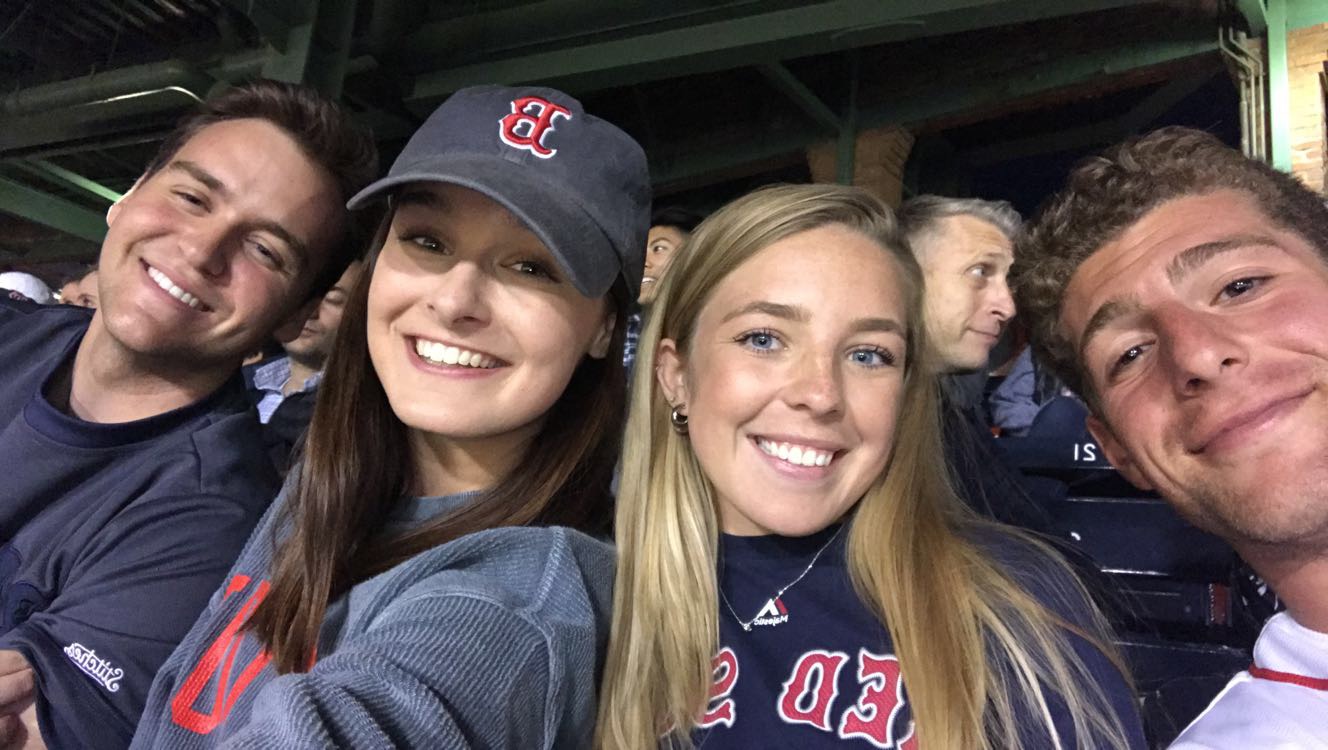
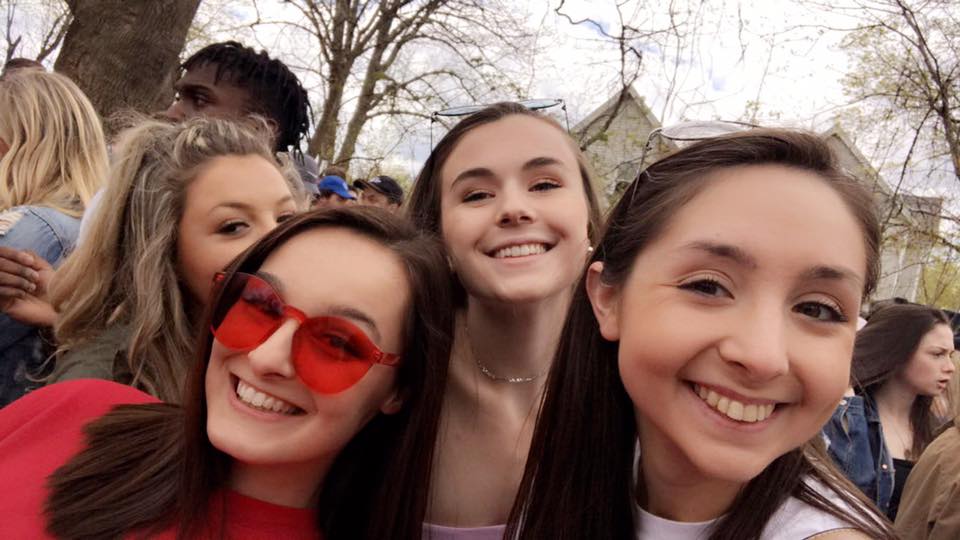
Myself (Left) with my roommates from this year
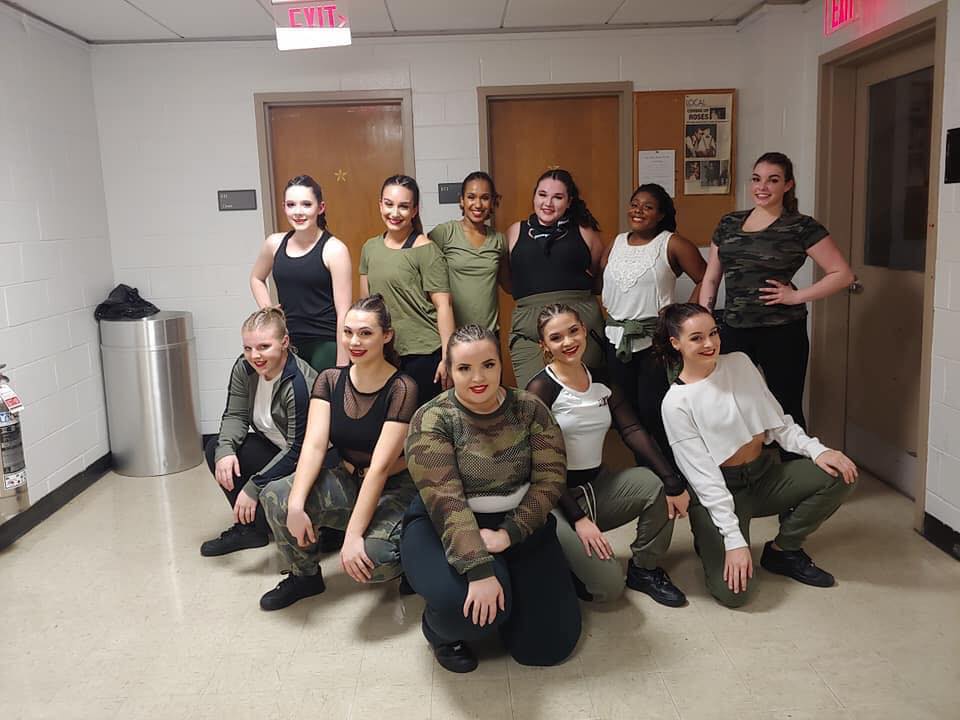
BSU Hip Hop during our final show
Myself (second from the right) and my “family” at Gamma Phi’s Crush this past spring

My health aspect will be focusing on trying to eat better overall. What I mean by this is that I would like to not only eat foods that are cleaner for me, but eat more regularly also. I have always been a very anxious person and because of this I often let my stress overpower many aspects of my life. One of the biggest issues with this for myself is that when I am stressed I tend to not eat as I often forget to during stressful times. This was something that I did not really become aware of until I was at Bridgewater this past year. When I talked to my family about it they all agreed that it is something I have always done, I just never really noticed it for myself until recently. I am hoping that by creating some type of routine for myself and working each healthy meal into my schedule that I will be on a more balanced eating routine. Being home from school and not being enrolled in as many classes as a regular semester has definitely reduced my stress significantly so I am confident that creating a routine for myself will work out really well for me at this time and in the long-run.

Fun Fact: I have a twin sister! We don’t both go to BSU though, she’s a dance major at SUNY Purchase in New York.

I am hoping to learn some solutions to my health aspect as well as mindfulness practices to use within my everyday life. Because this course is very similar to what I hope to be teaching my own students someday, I am eager to understand the topics so that I am able to relay the information I am learning to others in the future.

Thank you to whoever took the time to read this post, I am looking forward to getting to know you all and working with you during this course!