
By Lindsey Lambert
June 18th, 2019
These three chapters were FILLED with a lot of fascinating, concerning and mostly helpful information. I definitely found myself intrigued by what I was reading more so within these three chapters than any chapters of past weeks. Alcohol and Tobacco use, the importance of healthy eating and weight management are all things that I have made many personal choices about within my lifetime (especially at this time in my life).

Chapter 7
To almost no surprise, the first section of this chapter was very interesting and relatable for me. With the concentration of this section being alcohol and college students (thats us everyone!) , I feel it is almost mandatory for me to mention what I learned from it within this blog post. One of the first parts that stood out to me was the fact that 40% of college students engage in what is known as binge drinking (for men this is consuming 5 or more drinks within a 2 hour period, for women it is 4). This report surprised me because I honestly thought the percentage would be much higher. Although I truthfully do not have much experience with drinking or being in a college atmosphere where drinking is taking place, the fact that less than half of college students are partaking in binge drinking is a huge surprise. What seems to be pretty contradictory also is that 92% of students reported to pregaming (heavy drinking before going out) within the school year. I guess my new understanding with this information is that the majority of students drink prior to attending events or parties and once they are out they pace themselves more? This information was interesting to me because I certainly thought it would be the other way around statistically-speaking.
Another section within this chapter that stood out to me was section five which discussed drinking and driving. I learned that traffic accidents are the number one cause of death for people between the ages of 1 and 25. An even more horrifying fact I also learned within this chapter is that people drive drunk over 121 MILLION times each year (and that doesn’t even include the amount of occurrences that go unreported). I’m not sure about anyone else, but I can easily name five people I personally know who have driven drunk at one time or another. Now, I come from a family without any heavy drinkers where occasionally on a family holiday an aunt or two will be noticeably buzzed. From reading this section I realized how terrifyingly common it is for people to drive under the influence. If I can easily name five people, that just proves that it is something that is far too common of an occurrence.
When issues such as the ones mentioned in the previous two sections (binge drinking and drunk driving) occur, one would hope that the person taking part in those actions would make some kind of effort to change for the better. Section 8 focused on treatment and recovery. An interesting perspective the textbook showed was the fact that there aren’t many resources or advocates for college students to receive help dealing with alcoholism. The emphasis of most alcohol addiction centers and programs are geared towards older adults. I really liked how the textbook said “the high prevalence of alcohol use and other drug use on college campuses makes attending college a threat to sobriety”(p.163). This is something that I have honestly never really taken into consideration. From reading this section I feel as though I have gained an alternative perspective on what treatment facilities and programs are built for, because they can include much younger patients. As someone who has watched a loved one struggle with alcoholism and relapse multiple times, I can attest that treatment is certainly not something that everyone finds permanent success from. I found this section to be structured very well in the sense that it gave an excellent perspective of alcoholism and those who suffer with it.
Chapter 8

Section two of this chapter was about something very simple, yet very important. Water is one one of the most fundamental aspects of healthy living. Humans can survive weeks without eating but can hardly go more than one week without driving water in order to stay alive! I felt compelled to write about this information because quite frankly, I find it astonishing. Water is such an essential nutrient but it does not only require drinking a certain number of glasses of it to reach your daily goal. Most people who eat within a healthy diet will achieve their daily goal of water intake. I was very impressed to learn that fruits and vegetables are made up of 80 to 95 percent water, meats contain up to 50 percent and even bread is about 35 percent water. There are many varying factors that can cause a person to require a larger amount of water to stay hydrated such as extreme heat, exercise or the consumption of alcohol. This is a topic that is especially important to keep in mind as an athlete because both heat and exercise are often varying during sports games and workouts. It is essential to your health and bodily functions to stay on top of hydration regardless of where you are or what you are doing.
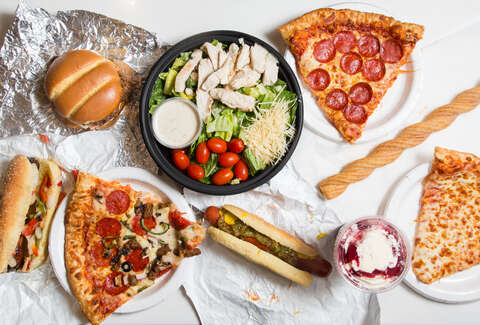
Section ten of this chapter discussed something that I was super worried about before the start of my freshman year: mindful eating in college. With Bridgewater not having the healthiest options, I was extremely worried that I would struggle to fuel my body properly within the dining halls. While eating from a dining hall, I kept a few of the tips that this section mentioned in mind from previous knowledge I had about eating mindfully. One way I was cautious when eating from the dining hall was to limit the amount of salad dressing I consumed. Although the lettuce and spinach weren’t exactly the most flavorful and it would have certainly tasted a lot better drenched in ranch dressing, I tried my best to eat the recommended serving size and not overdo it. Additionally, I avoided larger sized items. If I had the choice between ordering a small, medium or large I would opt for the small because I definitely never needed anything more. These simple adjustments while eating in a dining hall (where there is such an unlimited amount of food and large servings) definitely benefitted me positively throughout freshman year and in my long-term health. This didn’t mean that I never indulged in ordering Dominoes or a late-night run to Cumberland farms for a snack, but overall I did my best to be mindful the majority of the time when I was eating at school.
Section fourteen of this chapter covered various food allergies and intolerances. One of the allergies covered was Celiac disease. Celiac disease is defined as an immune disorder where nutrients not absorbed properly from the small intestine within certain people. The majority of people living with Celiac go undiagnosed for their entire lives. I thought this was really interesting because my cousin has severe Celiac (to the point where any cross-contamination can end up with her in the hospital extremely sick). When he was young it took the doctors a while to figure out what he was getting sick from and once they determined it as Celiac, removing Gluten from his diet made a world of difference. The interesting part about my cousin’s diagnosis is that when he was diagnosed with it his entire family was tested to see if my aunt or uncle also had it. Before being tested, they were both confident that neither of them could possibly have Celiac because they had both lived their entire lives undiagnosed and relatively healthy. It turned out that my aunt does in fact also have Celiac disease and she went over 30 years without ever knowing! This is why I was not surprised when the textbook mentioned that the majority of people with Celiac never get diagnosed. Not all cases are severe, so many people live without knowing any different.

Chapter 9 The first section of this chapter shared a lot of information on obesity within the United States. This is a huge problem within the United States today. What I feel is one of the most difficult parts of combatting obesity within the United States is that children often have very little control over what they eat, nor do they know what is good or bad for them. What I mean by this is that if a child has parents who do not pay attention to the nutrients (or often lack thereof) that they are giving their children, the health of their children is at risk. High-calorie, high-sugar and high-fat foods are known to be the most affordable and easily accessible (take fast food restaurants for example). If children continue to be raised eating such unhealthy foods and not learning healthy eating habits then they are put at a significantly increased risk of experiencing health issues such as obesity. An alarming 55 percent of adolescents in the United States today who are obese will remain obese into adolescence. Even more alarming, 80 percent of adolescents who are obese will remain obese into adulthood. These percentages highlight how once someone is obese it becomes significantly more difficult to reach a healthy weight. This comes from poorly developed habits which when continued throughout life will only lead to worsening health.

To combat obesity that may have stemmed from poor eating habits, try to improve eating habits! Section seven covered how once someone is overweight, they cannot undo what they have eaten. Instead, they must be more aware of what they are putting into their body and how they are fueling themselves. Although I have never been obese, I have certainly gone through extended periods of time where I haven’t payed much attention to how I am fueling my body. The best way to fix this is to eat clean foods at regular intervals. Setting a routine for yourself is one of the best ways to stay on track and form a healthier habit. When a routine is set up, it will also be easier to identify triggers. Triggers can come up with certain foods or times of boredom when you aren’t actually hungry but you eat anyway. By setting up a routine for yourself, you can help avoid giving in to triggers.

I resonated a lot with section eleven of this chapter. It actually connects perfectly to my health aspect of trying to eat more regularly. This section talked about how stress and emotional issues can lead to skipping meals both accidentally and on purpose. My health aspect relates by how I personally have noticed that I tend to accidentally skip meals when I am stressed or overwhelmed. This is never something I do on purpose (if I were intentionally skipping meals then there would be a reason for concern) however it kind of just happens when I have a busy day or evening with homework and other commitments. I am also extremely active so when I do eat, I often burn a lot of what I eat off from working out. Because of this, I have noticed that I haven’t gained any weight at all recently and have actually lost weight since being home from school. Because my health aspect is to eat more, I have been trying to develop a routine for myself to help keep me on track so that I do not continue to lose weight. Because my work schedule changes every week, it has been kind of tricky to do so but overall I have been eating breakfast a lot more (which is what I am usually the worst a doing) so that is a huge step in the right direction!

 Lindsey's Health Blog